Introduction to Drywall Basics
If you're considering a home remodeling project in Bremerton, understanding the basics of drywall can greatly enhance your decision-making process. Whether you're planning to remodel a single room or your entire house, drywall plays a crucial role in shaping the aesthetics and functionality of your space. In this blog, we'll break down drywall concepts in simple terms, tailored for non-experts, to help you navigate your home improvement journey with confidence.
What is Drywall?
Drywall, also known as plasterboard or gypsum board, is a panel made from calcium sulfate dihydrate (gypsum), typically extruded between thick sheets of facer and backer paper. It's used to make interior walls and ceilings and is a popular choice due to its affordability, ease of installation, and versatility.
Key Components of Drywall
- Gypsum Core: The heart of the drywall, providing fire resistance and sound insulation.
- Paper Facing: The outer layers that give drywall its smooth finish, allowing for easy painting or wallpapering.
- Adhesives and Additives: These improve the durability and moisture resistance of the drywall.
Types of Drywall and Their Uses
Understanding the different types of drywall can help you choose the right one for your project:
Standard Drywall
This is the most common type, suitable for most interior walls and ceilings where moisture is not a concern.
Moisture-Resistant (Green Board)
Designed for areas with high humidity, like bathrooms and kitchens, this type of drywall has a special moisture-resistant core and paper facing.
Fire-Resistant Drywall
Also known as Type X drywall, this variety contains fiberglass to improve its fire resistance, ideal for garages and utility spaces.
Soundproof Drywall
This option is perfect for rooms where sound isolation is important, such as home theaters or music rooms.
The Installation Process Explained
While drywall installation is best left to professionals, understanding the process can help you communicate effectively with your contractor:
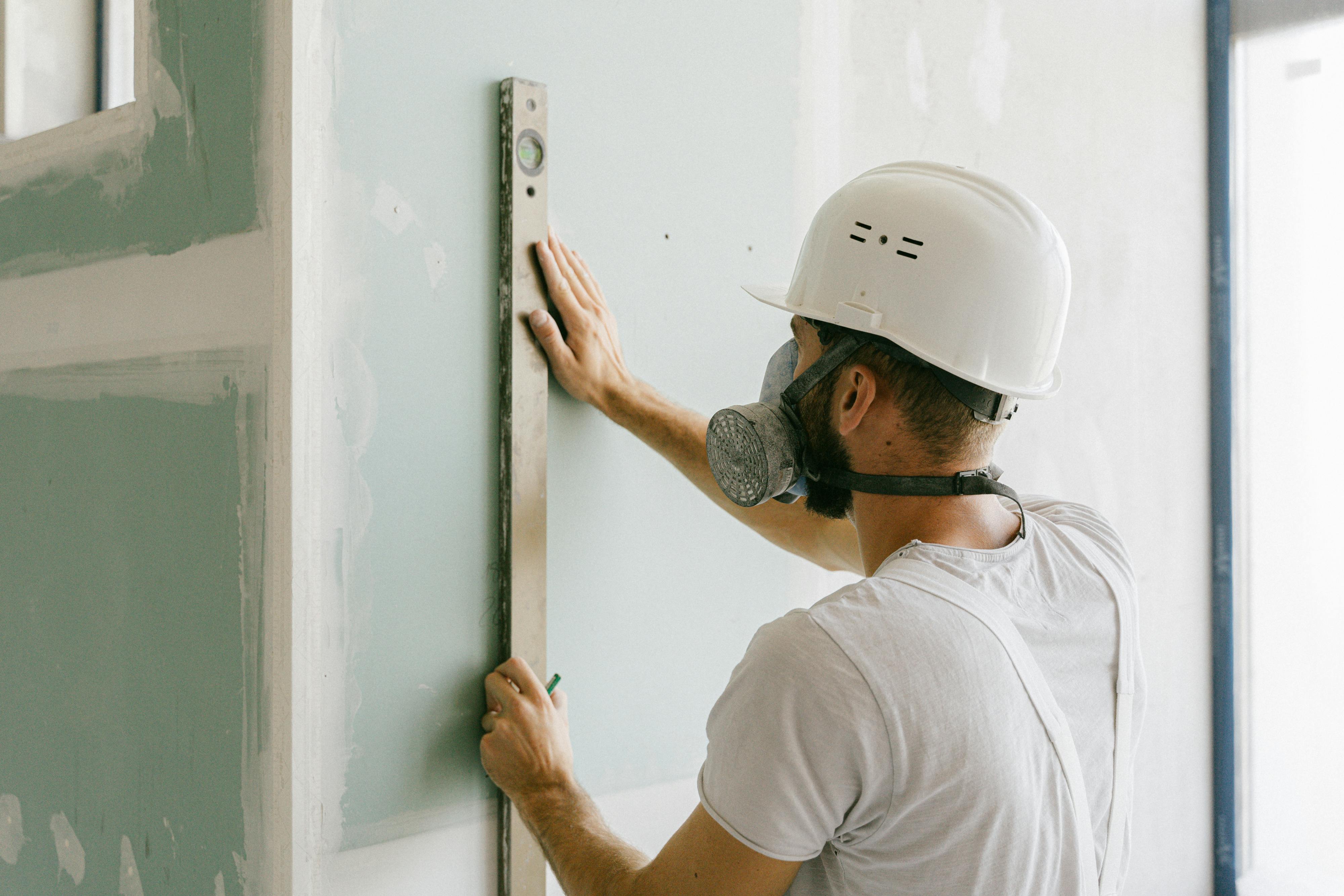
Measuring and Cutting
First, drywall panels are measured and cut to fit the specific dimensions of your walls or ceilings.
Framing and Securing
The panels are then attached to the wooden or metal studs of your home using screws or nails.
Joint Taping and Mudding
Joints between panels are taped and covered with a compound to create a seamless surface.
Sanding and Finishing
After the compound dries, the surface is sanded to a smooth finish, ready for painting or wallpapering.
Common Drywall Issues and Solutions
Knowing common drywall issues and their solutions can help you maintain your walls effectively:
Cracks
Cracks may appear due to settling or structural shifts. They can be fixed by applying a new layer of joint compound and sanding smooth.
Dents and Holes
These can be repaired using a patching compound, followed by sanding and repainting.
Mold and Mildew
In areas with high moisture, mold and mildew can develop. Use moisture-resistant drywall and ensure proper ventilation to prevent this.
Why Choose Rising Hawk Construction?
As a leading home remodeling and drywall contractor in Bremerton, Rising Hawk Construction brings expertise and personalized service to every project. Our team is dedicated to helping you achieve your vision, ensuring high-quality results that stand the test of time.
Making Informed Decisions
Armed with a basic understanding of drywall, you can now approach your remodeling project with newfound confidence. Whether you're tackling a minor update or a major overhaul, knowing what to expect will make the process smoother and more rewarding. Contact Rising Hawk Construction today to discuss your project and discover how we can bring your ideas to life.